
5 Reasons Annual Flu Vaccines Help Children
The annual flu vaccine for children 6 months and older helps reduce the risk of influenza and serious complications. Because flu viruses change, children need vaccination every season. Young children are more vulnerable to severe illness, and some children under age 9 need two doses during their first vaccinated season.
Why is an annual flu vaccine important for children?
Influenza is more than a bad cold. It can cause high fever, dehydration, worsening asthma, hospitalization, and, rarely, life-threatening complications. Vaccination gives a child’s immune system a safer way to prepare for the flu viruses expected during the upcoming season.
It is recommended to receive routine flu vaccination for everyone 6 months and older, with limited exceptions. Immunizing children also helps protect siblings, grandparents, caregivers, classmates, and other people who may be at higher risk.
Why do children need a new flu vaccine every year?
Children need a flu vaccine each year for two main reasons:
- Flu viruses change. The influenza viruses circulating this season may differ from those seen last season. Vaccine experts review surveillance data and update the vaccine when needed to better match expected strains.
- Protection decreases over time. The immune response from a previous vaccination can become less protective as months pass. A new seasonal dose refreshes that protection.
An annual vaccine does not guarantee that a child will never get influenza. However, vaccination can lower the chance of infection and may make illness less severe if infection occurs.
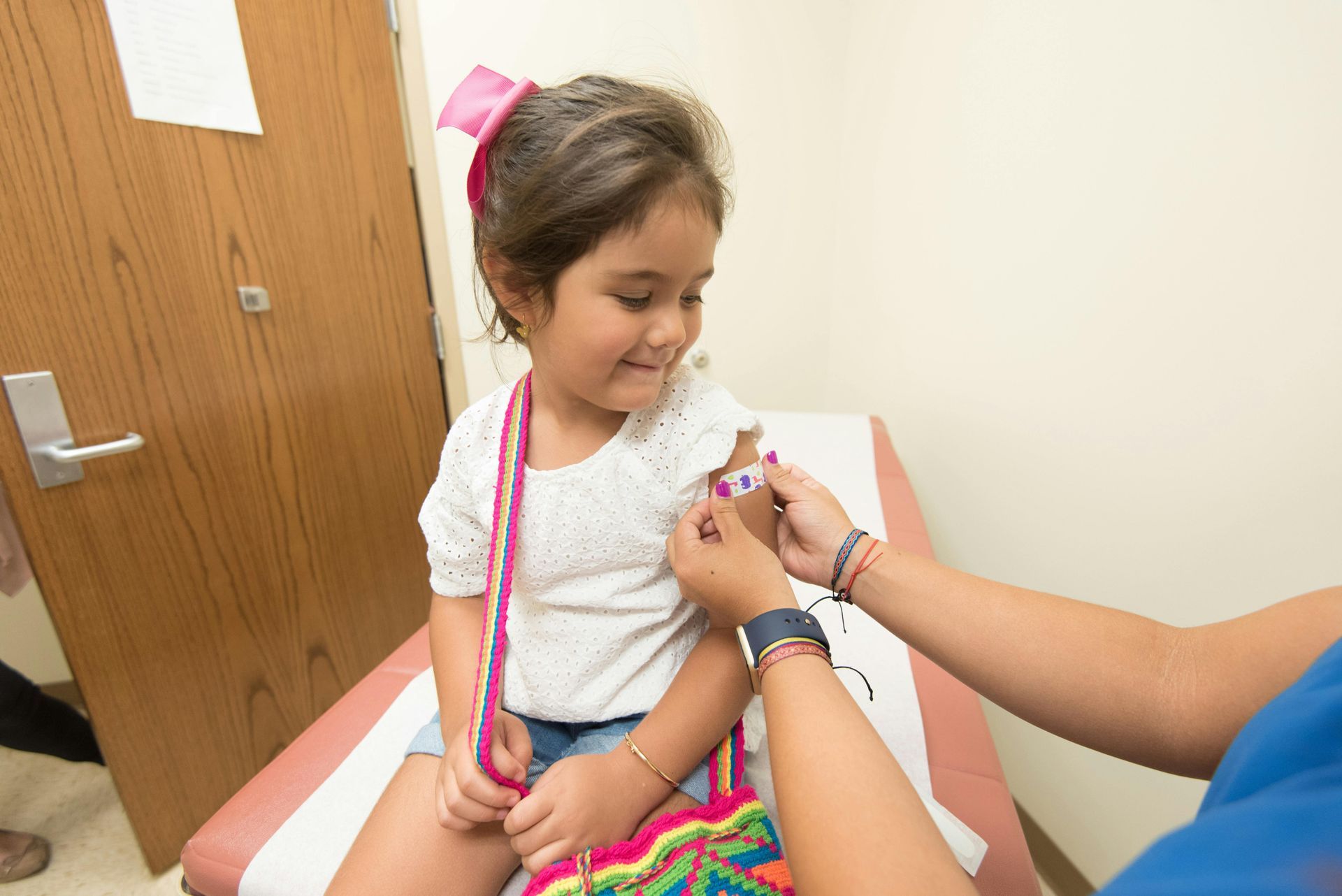
Why are young children at higher risk from the flu?
Young children’s immune systems are still developing, so they may have a harder time fighting influenza. Children younger than 5—especially those younger than 2—have a higher risk of serious flu complications. Risk can also be higher for children with conditions such as asthma, diabetes, neurologic disorders, heart disease, or weakened immunity.
Flu can lead to complications including:
- Pneumonia or other breathing problems
- Dehydration from fever, vomiting, or poor fluid intake
- Ear or sinus infections
- Worsening of asthma or other chronic conditions
- Hospitalization in severe cases
Even healthy children can become very sick. Vaccination is one important layer of prevention, along with handwashing, staying home when sick, and avoiding close contact with people who have influenza symptoms. Families can also review our Immunizations information and schedule recommended Well Child Visits .
Can the flu shot give my child the flu?
No. The flu shot cannot give your child influenza. Injectable flu vaccines use inactivated virus or specific viral components; they do not contain a live flu virus capable of causing the disease.
Some children feel tired, develop a sore arm, or have a low-grade fever after vaccination. Those effects are signs that the immune system is responding, not that the child has influenza. A child may also happen to encounter a different respiratory virus around the time of vaccination, since many viruses circulate during fall and winter. That illness is not caused by the flu shot.
The nasal spray flu vaccine is a different type of vaccine and may be appropriate for some children. If your pediatrician offers flu mist, your child’s clinician can explain which option fits their age, health history, and current recommendations.
What mild side effects should parents expect?
Most vaccine side effects are mild and short-lived. Common effects may include:
- Soreness, redness, or swelling where the shot was given
- Tiredness or fussiness
- Headache or muscle aches
- A low-grade fever
These symptoms usually improve within a day or two. Offering fluids, encouraging rest, and using comfort measures can help. Ask your pediatrician before giving medicine for fever or discomfort, particularly if your child has other health conditions or takes prescription medication. Do not give aspirin to children or teenagers unless specifically directed by a healthcare professional.
Serious allergic reactions are rare. Seek urgent medical help for trouble breathing, facial or throat swelling, widespread hives, unusual weakness, or another severe reaction. Call your pediatric office if you are concerned about a reaction or if symptoms are persistent, severe, or worsening.
Before vaccination, tell the clinician if your child has had a severe allergic reaction to a previous flu vaccine or any component, has a history of Guillain-Barré syndrome, or is currently ill. A mild illness does not always prevent vaccination, but the care team can help determine the safest timing.
Why do some children under 9 need two flu vaccine doses?
Some children younger than 9 need two flu vaccine doses during their first season of vaccination because they may not have enough prior influenza vaccine experience to develop the strongest initial protection from one dose.
The doses are generally given at least 4 weeks apart. The exact recommendation depends on your child’s age, vaccination history, and the current season’s guidance. A child who has received eligible previous flu vaccine doses may need only one dose, while another child of the same age may need two.
Do not assume your child’s dose schedule based on age alone. Bring or review your child’s immunization record with the pediatric care team. If two doses are recommended, schedule the first appointment early enough to allow the second dose before flu activity typically peaks.
When should my child get the flu vaccine?
Families should generally plan for vaccination in the fall, before influenza begins spreading widely. However, getting vaccinated later can still provide benefit while flu viruses are circulating. If your child needs two doses, starting early is especially helpful.
PediatriCare of Northern VA offers pediatric care for families in Manassas, Haymarket, and surrounding communities. You can schedule an appointment , review office information , or contact the practice with questions about your child’s vaccination history.
Quick parent checklist
- Ask whether your child needs one dose or two this season.
- Share allergies, medical conditions, and prior vaccine reactions.
- Plan vaccination before flu activity increases when possible.
- Continue everyday prevention habits, including handwashing and staying home when sick.
- Call the office if you are unsure which vaccine option or timing is appropriate.
Key takeaway for families
An annual flu vaccine is recommended for children 6 months and older because influenza viruses change and protection decreases over time. Young children can develop serious complications, even when they are otherwise healthy. The flu shot cannot cause the flu, and most side effects are mild and brief. Some children under 9 need two doses at least 4 weeks apart during their first vaccinated season. This fall, review your child’s records and schedule a flu vaccine with PediatriCare of Northern VA in Manassas or Haymarket.